
The amount of water your plants need and when it is needed changes with the weather, length of day, and root depth. By regularly adjusting the watering schedule of your automatic irrigation system (unless you have a smart timer), you can maintain healthy, beautiful plants and avoid wasting water.
In the Pacific Northwest, the watering season typically lasts from April through September. Check this page for advice on programming your sprinkler timer for the upcoming week. Interested in receiving weekly watering advice straight to your inbox? Sign up for the weekly water advice email! From March to October, we’ll send you a short email once per week that includes our watering advice and tips.
Weekly watering advice
Last updated: Thursday, October 15, 2026
Conditions: Nighttime temperatures are cooler and daylight hours are shorter.
Watering recommendation:
- Established high-water-use plants: If the soil is dry beneath the surface, water ½ inch once every 2 weeks.
- Established deep-rooted plants with deep mulch over the soil: If the soil is dry beneath the surface, water slowly and deeply until the top 6 inches of soil is wet.
Plan ahead for water-saving success!

Fall is an ideal time to plan for spring water savings!
- Make plans to shrink your lawn or remove areas you don’t use and replace them with low-water-use plants.
- If you use a sprinkler timer, start saving now for a smart sprinkler timer. These connect to your home’s internet and adjust watering based on the weather. The Saving Water Partnership offers rebates for qualifying customers.
- Set a reminder on your calendar to order free arborist woodchip mulch from your local arborist or by signing up on www.chipdrop.com. Mulch helps the soil retain water, which benefits your new plants.
Planning ahead now will lead to water savings later! Have specific questions about preparing for spring? Reach out to Mark.Guthrie@seattle.gov.
Resources
- Learn how to make your sprinkler system use water more efficiently.
- Need some professional assistance? Check out this short list of local certified landscape professionals!
- If you’re interested in learning about supply conditions for Seattle’s regional water system, please visit Water Supply Conditions – Utilities | seattle.gov.
Choosing the right run time for your system
Each watering should apply a ½ inch of water. The application rate of a sprinkler system depends on the water pressure, system design, and system efficiency. Below are some general ranges of typical run times based on the precipitation rate of your sprinkler heads:
| Head Type | Nozzle Description | Run Time* for a ½ inch | If Using Cycles** | |
|---|---|---|---|---|
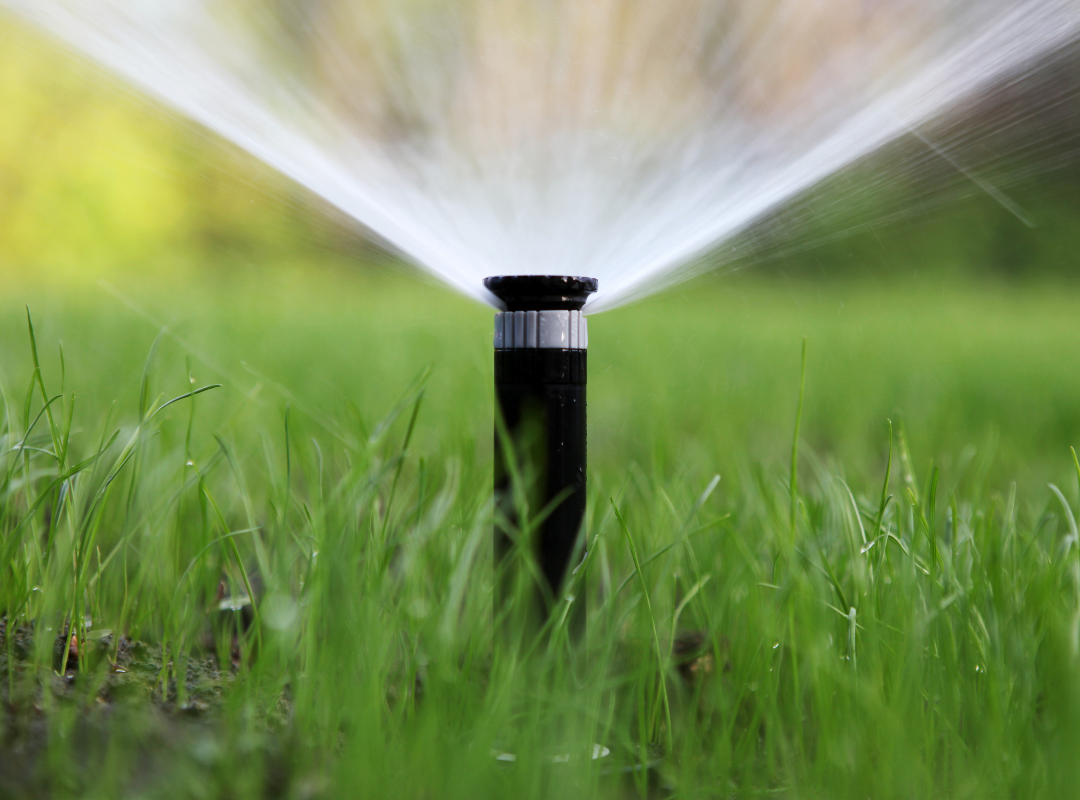 | Spray Head | Sprays like a fan | 15-23 minutes | 3 cycles of 5-8 minutes |
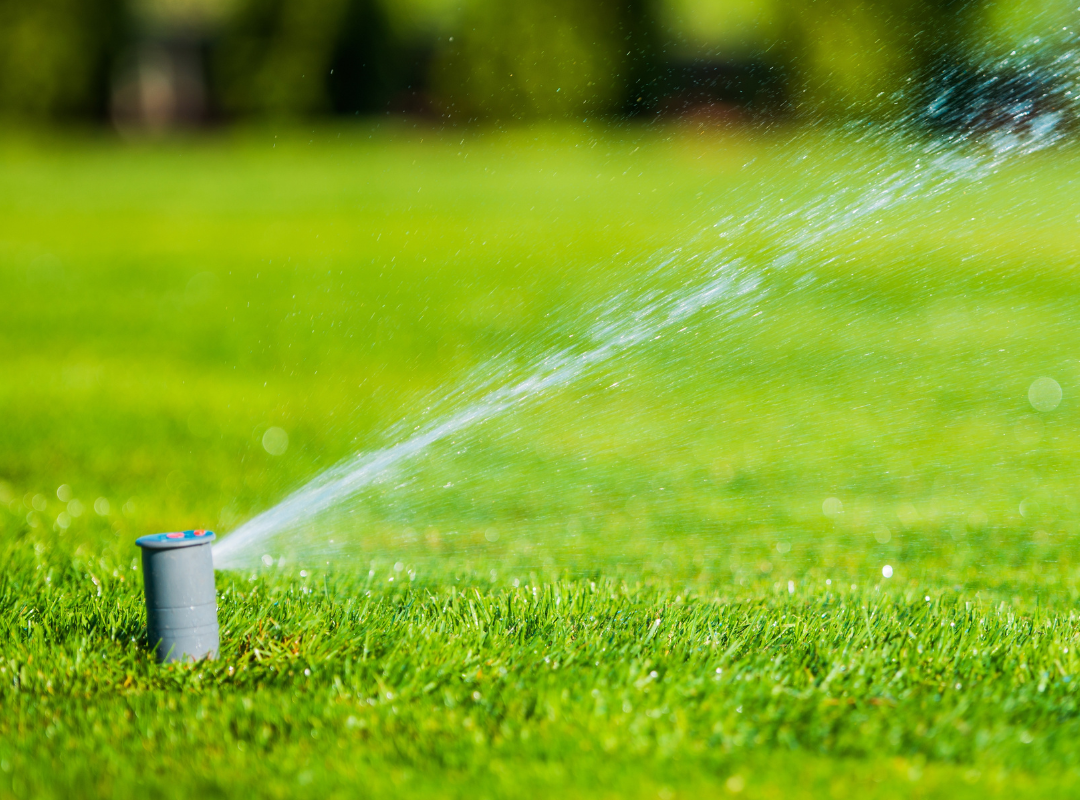 | Rotor Head | Single spray that rotates | 30-75 minutes | 3 cycles of 10-25 minutes |
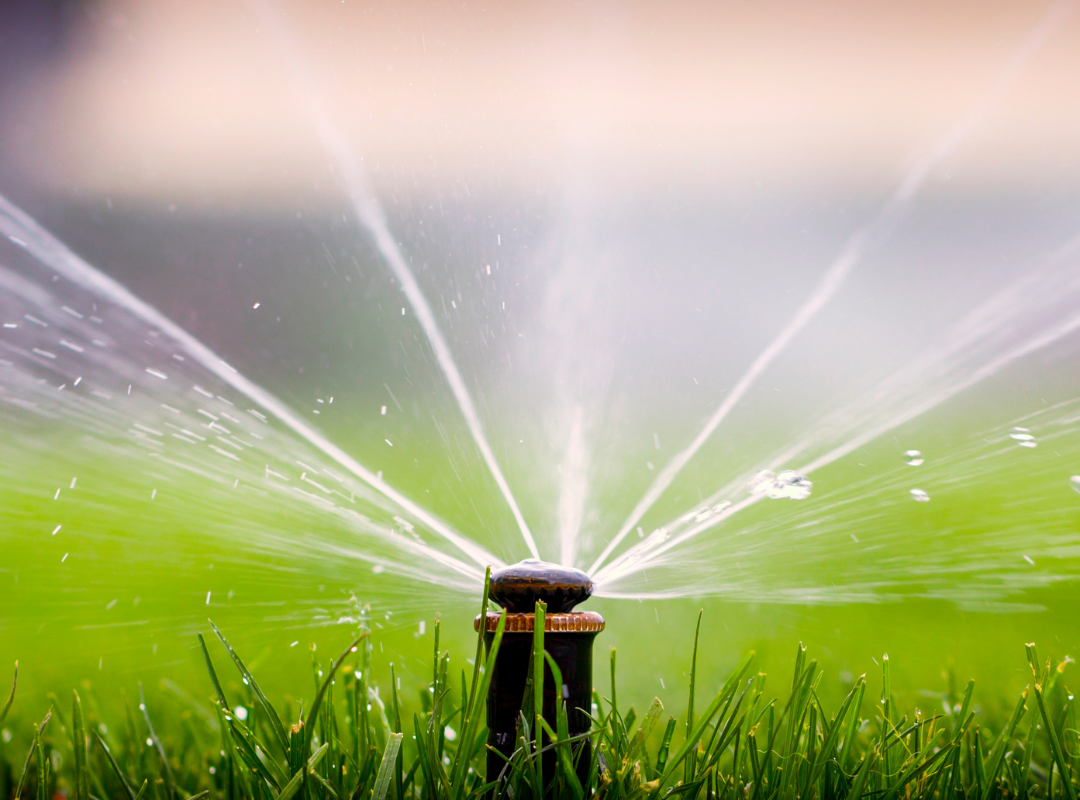 | High-efficiency Spray Nozzles | Multiple single sprays that rotate | 50-75 minutes | 3 cycles of 17-25 minutes |
**Cycling Recommendation: To prevent runoff and ponding in areas with clay soils and/or slopes, divide the run times into three cycles to allow the ground to absorb the water. Additional cycles are created by utilizing more than one start time combined with shorter runtimes.
If you have drip irrigation, follow these guidelines that include how many minutes it takes to water ¼ of an inch:
